Local life · Richmond, British Columbia
Published
Richmond’s feral rabbits: when to report a rabbit that needs help
Many loose rabbits in Richmond are domestic rabbits or their descendants. A healthy feral colony and a sick, injured or newly abandoned pet need different responses; Rabbitats lists the appropriate contacts.
Facts checked
In this story
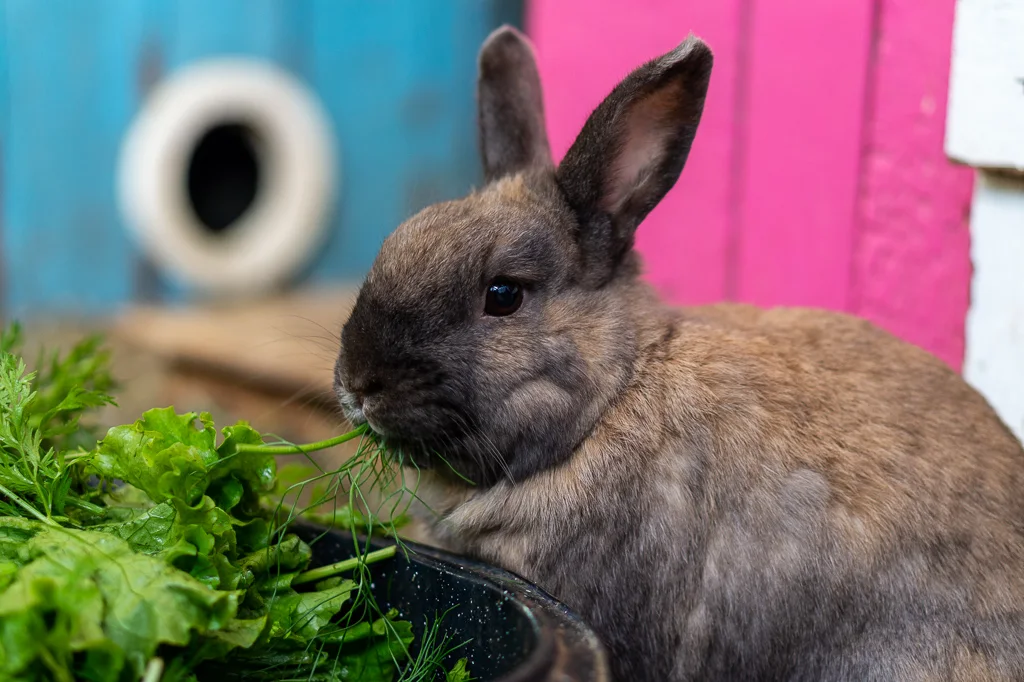
Domestic ancestry changes what a rabbit sighting means
A rabbit on a Richmond verge may look like a familiar piece of the city, but familiar does not mean native wildlife. Many free-living rabbits are domestic animals or descendants of pets released outdoors. That history changes the question from simply admiring an animal to deciding whether a particular rabbit needs help.
A healthy established colony and a sick, injured or newly abandoned pet require different responses. Rabbitats’ current guidance distinguishes reporting and rescue routes, and it is explicit about limited space for healthy feral animals. Knowing that distinction helps a concerned passer-by act without promising an outcome no organisation can guarantee.
Source: Rabbitats: contact and rabbit sightings
Source: Richmond: feral rabbit programme update, 2022
Familiar does not mean native
The important distinction is between a wild species and a domestic animal living without an owner. Local discussions often blur the two by calling every rabbit outside “wild”. Richmond’s own feral-rabbit programme documents a different problem: domestic rabbits, established colonies and efforts to capture and sterilise animals humanely.
That history explains why a cheerful sight can have an unhappy beginning. A pet being released is not being given a charming country retirement. Its descendants can reproduce outside, while rescue groups face more animals than they can accommodate. The 2022 city programme update is useful background on that work, rather than proof that today’s resources are unlimited.
Source: Richmond: feral rabbit programme update, 2022
Source: Rabbitats: contact and rabbit sightings
Recognising concern without diagnosing a life story
Appearance can prompt a sensible question, but it cannot reliably establish when a rabbit last had an owner. The useful observations are more concrete: apparent injury, difficulty moving, distress, an immediate hazard and the location. Share those with the relevant agency rather than attempting to settle ancestry from coat colour alone.
A reported rescue at Minoru in August illustrates why people stop to help, while the discussion around it shows the limits of confident identification online. The rescue outcome belongs to that animal’s story. It does not mean that every rabbit seen outdoors can be collected, housed and rehomed immediately.
Source: A rabbit rescue at Minoru, August 2026
Source: Rabbitats: contact and rabbit sightings
Why the same animals inspire affection and frustration
The February discussion about apparently disappearing rabbits showed both sides. Some residents described favourite neighbourhood animals and worried when they vanished. Others pointed to holes in lawns and paths, damage around infrastructure, and the problems of people feeding colonies. Those observations deserve to coexist in the account. Caring about an animal does not require pretending it has no effect on the space around it.
The explanations offered online were much less settled. Weather, construction, predators and disease were all suggested. That conversation was not a population survey and cannot establish a citywide decline or its cause. The most useful correction is to avoid turning a change on your usual walking route into a confident story about every rabbit in Richmond.
Source: Where have the rabbits gone? February 2026
Who to contact in Richmond
For a sick or injured loose domestic rabbit, Rabbitats lists the Richmond SPCA Call Centre at 604 709-4668, from 7 a.m. to 9 p.m. daily. Its page directs after-hours concerns to Richmond RCMP’s non-emergency line, 604 278-1212. The same SPCA number is listed for abandoned pet rabbits.
Sightings of feral domestic rabbits can be recorded at abandonedrabbits.com for tracking. Rabbitats emphasises that this reporting site does not rescue animals and that agencies cannot generally take in healthy feral rabbits. For Rabbitats’ own general questions, use its email or the appropriate adoption, fostering or volunteer form rather than expecting a staffed emergency phone line.
If you are unable to keep a pet, use a proper surrender or rehoming route. The presence of other rabbits outside does not make releasing another one a welfare solution. Richmond’s visible colonies are part of the consequence of abandonment, not proof that a new arrival will be safe.
Source: Rabbitats: contact and rabbit sightings
A practical route that respects limited rescue space
Rabbitats’ current contact page makes an important distinction. It directs concerns about sick or injured loose domestic rabbits and abandoned pets to the animal-control contacts it lists. Feral sightings can be logged through the linked reporting website, which it says is for tracking, not an on-demand rescue service. The page also says agencies do not have the resources to take in healthy feral rabbits generally.
That is a sobering limit, but a useful one to know before promising a stranger that a rescue van will be along shortly. Use the organisation’s current guidance, give accurate observations and do not abandon a pet because there are already rabbits outside.
Concern from a visitor or a neighbour is worth taking seriously even when the animal turns out to belong to an established colony. The useful response combines accurate observations, the right contact and realistic expectations. Being accustomed to Richmond’s rabbits and having solved the problems around them remain two very different things.
Source: Rabbitats: contact and rabbit sightings
Source: A visitor notices a rabbit at Bridgeport, August 2026
Questions people ask
Are Richmond’s loose rabbits all native wildlife?
No. The city documents feral domestic rabbits, and many familiar colonies descend from domestic animals. Avoid assuming every rabbit outdoors is a native wild species.
Source: Richmond: feral rabbit programme update, 2022
Who should I call about a sick or injured domestic rabbit in Richmond?
Rabbitats lists the Richmond SPCA Call Centre at 604 709-4668, 7 a.m. to 9 p.m. daily. It directs after-hours concerns to the RCMP non-emergency line, 604 278-1212.
Source: Rabbitats: contact and rabbit sightings
Does Rabbitats have a public drop-in address?
No. Its contact page says exact sanctuary locations are shared directly, rather than publishing an address for unscheduled visits.
Source: Rabbitats: contact and rabbit sightings
Can I report a feral rabbit sighting online?
Rabbitats links to abandonedrabbits.com for sightings. The page explains that this tracks reports and is not itself a rescue service.
Source: Rabbitats: contact and rabbit sightings
Will a rescue take every healthy feral rabbit?
Do not assume that. Rabbitats explicitly says no agency has the resources to take in healthy feral rabbits generally at present.
Source: Rabbitats: contact and rabbit sightings
Where do I report a pet rabbit that has been abandoned?
Rabbitats lists BC SPCA Richmond at 604 709-4668 for abandoned pet rabbits. Give the location and your actual observations; a report does not guarantee immediate collection.
Source: Rabbitats: contact and rabbit sightings
Does a friendly rabbit prove it was recently abandoned?
No. The discussion itself contained disagreement. Describe the animal’s condition and seek informed guidance rather than making a certainty from friendliness alone.
Source: A rabbit rescue at Minoru, August 2026
Why do some residents dislike large rabbit colonies?
Participants described burrowing damage, holes in paths and lawns, and concerns about feeding. These are practical management issues alongside affection for the animals.
Source: Where have the rabbits gone? February 2026
Does seeing fewer rabbits prove the city population is falling?
No. A neighbourhood observation is not a population survey, and the discussion did not establish a single verified citywide explanation.
Source: Where have the rabbits gone? February 2026
How can I contact Rabbitats for general information?
The organisation publishes info@rabbitats.org and appropriate forms for adoption, fostering and volunteering. It is volunteer-run, so responses may take time.
Something changed? Tell us about a correction.